Credit Matters More Than You Think When preparing to buy a home, your credit score…
Credit Factors That Can Make or Break Your Mount Pleasant Mortgage
Your credit profile plays a bigger role in conventional loan approval than most people realize. It goes well beyond just your credit score. Lenders look at several layered factors that paint a picture of your financial habits. Understanding what matters most can make the difference between getting the home you want in Mount Pleasant — or not. At Lucey Mortgage, we’ve worked with Charleston-area borrowers for years. We’ve seen what helps people get approved and what quietly holds them back. Mount Pleasant is a competitive market, and going in prepared matters.

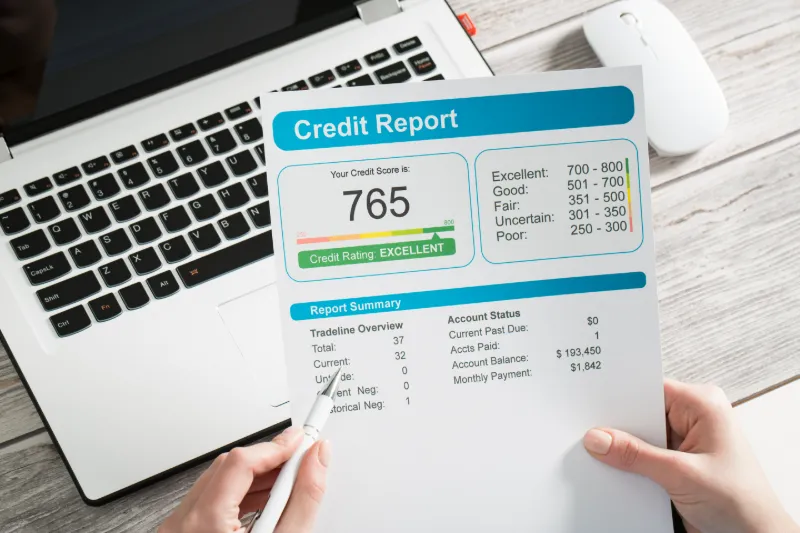
Your credit score is the starting point — not the finish line. For a conventional loan, most lenders want to see a minimum score of 620. But qualifying and getting favorable terms are two different things. Scores closer to 740 and above tend to unlock better interest rates and lower private mortgage insurance costs.
Payment history carries the most weight in your credit score calculation. Late payments, especially recent ones, send up red flags. A single 30-day late payment from last year can affect how a lender views your file today. Consistency over time is what builds real confidence with underwriters.
Credit utilization is the next big one. This is the percentage of available revolving credit you’re currently using. Keeping balances below 30% of your limit is a common benchmark — but borrowers sitting below 10% tend to score significantly better. It signals that you’re not leaning too hard on available credit.
The length of your credit history also factors in. Lenders want to see that you’ve managed credit responsibly over time, not just recently. Closing old accounts before applying for a mortgage can actually shorten your average account age and work against you.
What Can Quietly Derail Your Application
New credit inquiries can raise concerns, especially in the months leading up to your loan application. Opening a new credit card or financing a vehicle right before applying can lower your score and signal financial instability. The timing of these moves matters more than most borrowers expect.
Collections and derogatory marks are another area lenders scrutinize. Unpaid medical bills, charge-offs, or accounts in collections don’t automatically disqualify you, but they require explanation. In some cases, a lender may require those balances to be satisfied before closing.
Your debt-to-income ratio ties directly to your credit profile. Even with an excellent score, carrying too much existing debt relative to your income can limit how much you qualify for. Conventional loans typically cap the DTI at 45-50%, depending on other compensating factors in your file.
One thing we see often in the Mount Pleasant market — borrowers are surprised that having too little credit history can be just as limiting as having bad credit. A thin file with only one or two accounts gives lenders very little to evaluate. Building out your credit profile before applying is a smart move.
If your credit profile needs some work, that’s not a reason to put your plans on hold indefinitely. It’s a reason to get in front of someone who can walk you through a realistic plan. At Lucey Mortgage Corporation, that’s exactly what we do — help Charleston-area borrowers understand where they stand and what steps move the needle.
Frequently Asked Questions
What credit score do I need for a conventional loan in Mount Pleasant?
Most conventional loans require a minimum credit score of 620. However, scores of 740 or higher typically result in better interest rates and reduced PMI costs.
Does my credit score alone determine if I qualify?
No. Lenders also evaluate payment history, credit utilization, debt-to-income ratio, credit age, and any derogatory marks on your report.
How does credit utilization affect my mortgage application?
High utilization can lower your score and signal financial strain. Keeping balances below 30% — ideally below 10% — improves your credit profile before applying.
Can I get a conventional loan with a collection account on my report?
It depends on the lender and the type of collection. Some collections may need to be paid off before closing, while others may be reviewed case by case.
How long before applying for a mortgage should I stop opening new accounts?
It’s generally recommended to avoid opening new credit accounts at least six to twelve months before applying for a home loan.
Does closing old credit cards hurt my mortgage application?
Yes, it can. Closing old accounts shortens your average credit history length and can increase your utilization ratio — both of which may lower your score.
What debt-to-income ratio is acceptable for a conventional loan?
Most conventional loans allow a DTI up to 45-50%. A lower DTI generally improves your approval odds and may help you qualify for a larger loan amount.
How many credit inquiries is too many before applying?
Multiple hard inquiries in a short window can lower your score. Limiting new credit applications in the six months before your mortgage application is advisable.
What is a thin credit file and does it matter for conventional loans?
A thin credit file means you have very few active accounts. Lenders have limited data to assess your risk, which can complicate conventional loan approval.
How recent do late payments have to be to hurt my application?
Recent late payments — within the last 12 to 24 months — carry the most weight. Older late payments matter less but can still come up during underwriting review.
Does my credit history length really matter to a conventional lender?
Yes. A longer credit history demonstrates sustained financial responsibility. Lenders prefer to see accounts that have been open and managed well over several years.
Can I improve my credit score quickly before applying?
Paying down revolving balances and resolving any errors on your credit report can sometimes raise your score within 30 to 60 days.
What types of accounts help build a strong credit profile for a mortgage?
A healthy mix of revolving accounts (credit cards) and installment accounts (auto loans, student loans) typically strengthens your overall credit profile.
Should I pay off all my debt before applying for a conventional loan?
Not necessarily. The goal is to lower your DTI and utilization without eliminating accounts that contribute positively to your credit history and score.
How does Lucey Mortgage Corporation help borrowers with credit concerns in Mount Pleasant?
Lucey Mortgage Corporation works directly with Charleston-area borrowers to review their credit profile, identify areas for improvement, and build a plan toward conventional loan approval.
Conclusion
Credit is rarely a simple pass-or-fail situation. There are layers to it, and knowing where you stand before you apply gives you real leverage in the Mount Pleasant market. At Lucey Mortgage Corporation, we’ve helped borrowers across the Charleston area navigate this process — and we’re here to do the same for you whenever you’re ready to take that next step.

Related Posts